Skelvorad
Live security webinars, worldwide

About Skelvorad

Security knowledge, structured for practice

Skelvorad is a remote education platform built around web application security. Every webinar is designed to give participants direct access to working techniques, real vulnerability scenarios, and the kind of structured thinking that transfers into daily engineering decisions.

Skelvorad platform overview showing a live webinar session on web application security
2024 Year founded
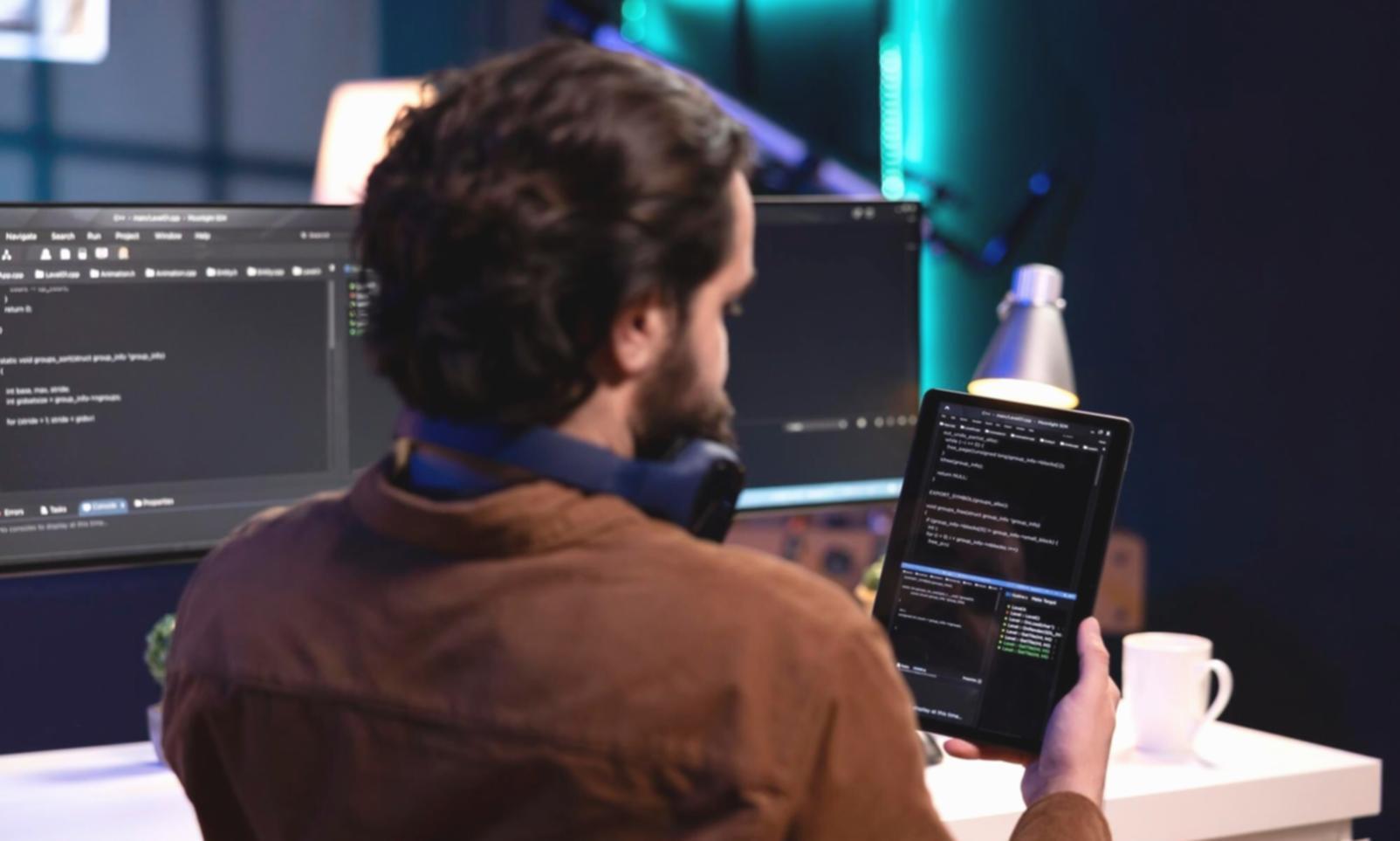
Security professionals reviewing code vulnerabilities during a Skelvorad live session
38+ Webinars delivered
14 Countries reached
How it started

A gap between security theory and what engineers actually face

Most security training falls into one of two traps: it is either too abstract to apply, or too tool-specific to generalize. Skelvorad was started to address this directly — building sessions around real attack patterns, documented CVEs, and the decision points that developers encounter when writing or reviewing code under time pressure.

Sessions are structured as live broadcasts with interactive segments. Participants can ask questions during demonstrations, work through scenarios in real time, and follow up through recorded replays. The format was designed for working engineers, not full-time students.

Security is not a feature you add at the end. It is a set of habits that have to be built into how you think about code from the beginning.

People behind the sessions Instructors & Specialists

Each person on the Skelvorad team works in security professionally and teaches from that position — not from a curriculum written in advance, but from what they encounter in their actual work.

Benedikt Harrow

Instructor — Secure Architecture

Benedikt focuses on how security decisions get made at the architecture level — API design, service boundaries, token handling. He draws on his background in backend engineering at infrastructure scale.

Taavi Lõhmus

Instructor — Threat Modeling

Taavi leads sessions on how to identify what an attacker would target before writing a single line of code. His workshops use real product scenarios and walk through threat modeling frameworks in a way that sticks with engineers long after the session ends.

How sessions are structured

Skelvorad webinars follow a consistent internal structure, but the content shifts with what is actually relevant in the security landscape at the time. Each session opens with a documented case or recent vulnerability, moves into a technical walkthrough, and closes with a practical exercise that participants can complete independently afterward. There is no filler. Sessions run between 90 and 120 minutes, with a 20-minute live Q&A at the end.

80%
Technical hands-on time

Case-first opening

Every session begins with a real vulnerability or incident — not a hypothetical. This grounds the technical content in something that has already happened and been documented.

Live technical walkthrough

Instructors demonstrate attacks and defenses in a sandboxed environment. Participants watch the process, not just the outcome — including dead ends and corrections.

Independent exercise

Each session ends with a take-home task — a small vulnerable app, a code review challenge, or a configuration audit. Solutions are reviewed in the following session.

Live Q&A segment

The last 20 minutes are open. Participants bring their own questions — from code they are writing, systems they are reviewing, or concepts that did not land clearly during the session.

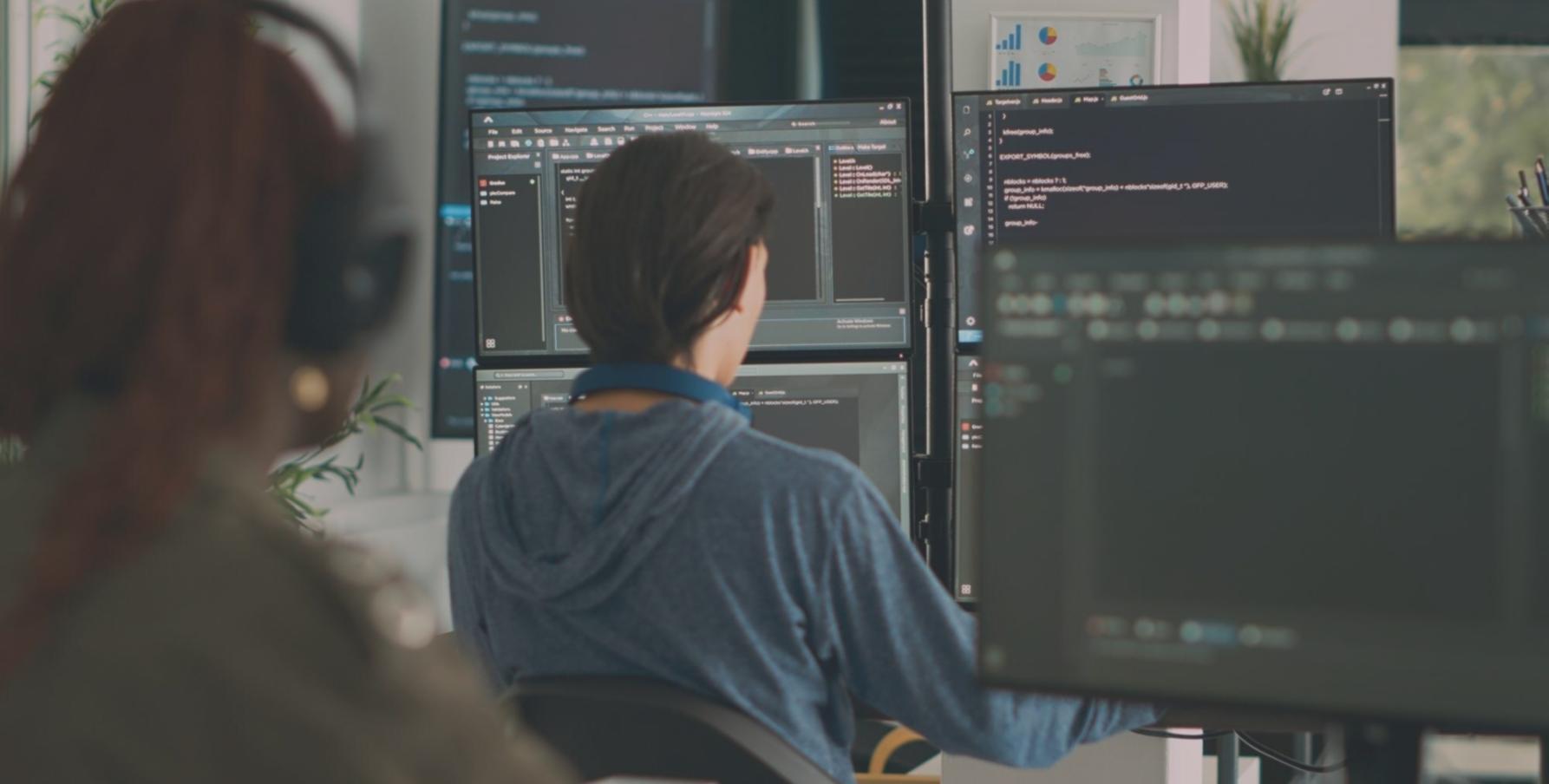
Instructor demonstrating a live SQL injection walkthrough during a Skelvorad security webinar
Live demonstration environment
Participants reviewing a vulnerable application during an interactive Skelvorad session
Participant exercise review
View the learning program